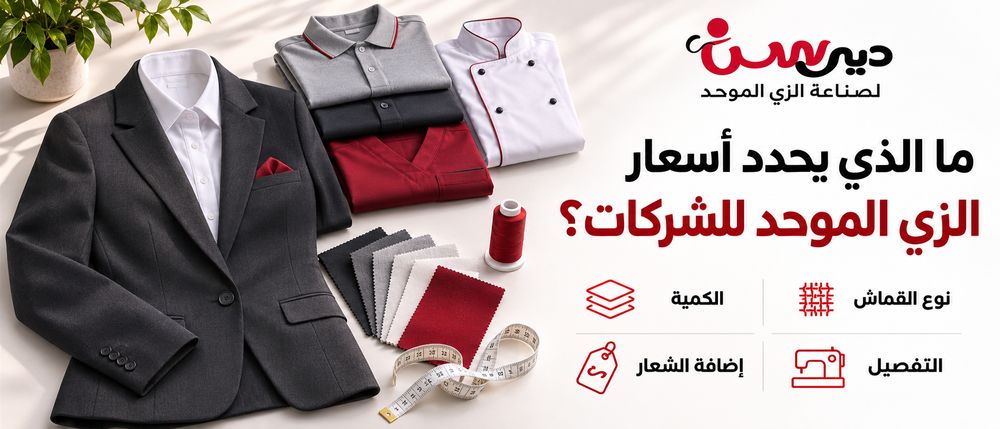
What Determines Corporate Uniform Prices?
When ordering staff clothing, you may receive different quotes for what appears to be a similar order in terms of quantity and overall appearance. Understanding those differences starts with reviewing the details of each quote, from fabric composition and garment cut to logo size and the services included in delivery.
Corporate uniform prices depend on the product specifications and how the garments are made. Defining these details before requesting quotes helps you set a suitable budget, compare offers and choose what meets your team’s needs.
Fabric Type and Specifications
Fabric affects the cost of manufacturing uniforms. Assessing it involves looking at its composition, weight, feel and care requirements. Two garments with similar colours and designs may have different prices because of differences in fabric construction or finishing quality.
When requesting a quote, explain how the uniforms will be used. Will employees wear them in air-conditioned offices or outdoors? Will they be washed daily or less frequently? These answers help you choose a fabric that suits the working conditions and your budget.
Ask for the fabric composition and washing instructions, and test a sample before approving the full quantity. If you need specific properties, such as stretch or water resistance, ask for them to be documented in the product specifications.
Garment Quantities and Order Size
The unit price is affected by the total order size and how quantities are divided across designs and colours. Producing 100 shirts in one design involves different arrangements from producing 100 garments across several designs, even when the total quantity is the same.
Some orders involve initial setup costs, such as pattern making or preparing an embroidery file. Spreading these costs over a larger quantity may reduce the average cost per garment, depending on the supplier’s terms and production details.
For a clear quote, specify the quantity required for each design and colour, along with the number of sets per employee. Headcount alone does not show the total quantity if each person will receive more than one set.
Uniform Design and Sewing Details
Every additional detail requires materials or production time. Features that may affect the price include extra pockets, zips, lining, contrasting colour panels and custom cuts.
For example, making a single-colour polo shirt differs from making a lined jacket with several pockets and zips. Connect each feature to a clear practical need. A technician may need an easily accessible pocket, while reception staff may need a formal cut suited to greeting visitors.
If your budget is fixed, ask the supplier to explain how essential features and optional additions affect the cost. This helps you adjust the design while meeting your team’s needs.
Logo Embroidery or Printing
The cost of adding a logo depends on the application method, design size and number of placements. It may also vary with the embroidery area and stitch density, or the printing method and order quantity.
Logo detail | What to specify when requesting a quote |
|---|---|
Application method | Embroidery or printing, with a recommendation suited to the fabric |
Size | Approximate logo dimensions on the garment |
Placement | Chest, sleeve, back or multiple positions |
Individual personalisation | Employee names, departments or job titles |
Setup cost | Whether logo file preparation or a sample is included in the price |
Send a clear logo file and ask to see how it looks on the chosen fabric. A sample helps you assess text clarity, colours and texture before approving production.
Sizes and Custom Tailoring
Providing a size breakdown before requesting a quote helps define the order accurately. Some sizes or special alterations may require different patterns or additional fabric, depending on the garment and the supplier’s policy.
For larger teams, ask how measurements and sample fittings are handled. Explain whether you need an on-site measuring service or a size chart employees can use themselves.
Also review the terms for size alterations and exchanges, especially for made-to-order garments or pieces personalised with employee names.
Delivery Schedule and Arrangements
The timeline may affect the cost, particularly for urgent orders or projects requiring specially sourced fabrics. Specify your required date from the start and agree on deadlines for sample approval, production and delivery.
Delivery arrangements also need to be clear. Delivering to one location involves different arrangements from sorting garments by employee and distributing them to several branches.
Ask for a breakdown of shipping, packaging and sorting costs, including whether these services are included in the quote or charged separately.
How Do You Compare Uniform Quotes?
Prepare one specification list and send it to each supplier you approach. When the quotes arrive, review the following details before deciding.
Comparison point | What to check |
|---|---|
Fabric | Composition, weight, colour and care instructions |
Design | Cut, pockets, zips, lining and agreed details |
Quantities | Number of garments for each design, colour and size |
Logo | Application method, size, placements and individual personalisation |
Sample | Cost, preparation time and approval process |
Total price | Garments, additions, shipping and tax where applicable |
Delivery | Dates, locations and how the order will be sorted |
After-delivery service | How manufacturing defects are handled, alteration terms and reorder conditions |
Compare the cost of outfitting each employee with a complete set as well. One quote may cover only a shirt, while another includes a shirt, trousers, logo application and packaging.
How Can You Manage the Budget Before Approving the Order?
Start by identifying the essential garments for each role, then allocate the budget according to how they will be used. Some pieces, such as shirts or trousers, can be shared across departments, while blazers or waistcoats can be reserved for teams that need them.
Choose a design that can be reordered and document the fabric, colour, sizes and logo details. Ask about minimum quantities and terms for additional orders so you understand the future cost of outfitting new employees or replacing garments.
You can also request two quotes with the same core specifications and a clearly defined difference in fabric or selected design details. This makes it easier to assess how each option affects the budget.
Frequently Asked Questions About Uniform Costs
Are Corporate Uniform Prices Fixed?
Prices vary by garment type, fabric, quantity, design and personalisation. Some ready-made products have published prices, while orders manufactured to specific requirements need a quote detailing the work involved.
Does Ordering More Reduce the Unit Price?
The cost per garment may fall as quantities increase, particularly when the design, fabric and colour are identical. This depends on production costs, minimum order quantities and the supplier’s terms.
Is the Sample Cost Included in the Order?
This varies by supplier. Ask about the sample cost, whether it will be deducted from the order total after approval and how many revisions are included before production.
What Information Do I Need for an Accurate Quote?
Prepare the garment types, quantities, size breakdown, required colours, logo file, delivery city and target date. Include reference images if you have specific design details in mind.
Request a Quote That Meets Your Team’s Needs from Dearson
List each department’s needs and the garments required per employee. Send your colour, logo and size requirements, along with your preferred delivery date. These details help define the order and allow you to discuss suitable production options.
Submit your requirements through the Request a Quote Now option in the Dearson online store, attaching any designs or reference images that show the uniforms you need.