How to Choose the Right Uniform for Your Company
Start with what your employees do each day. Reception staff spend part of their day greeting visitors. Showroom staff need comfortable clothing for long periods of standing and moving around, while technicians need a cut that lets them bend and reach their tools easily. These teams can share the same company colours and logo while wearing garments suited to their roles.
Whether you’re ordering staff uniforms for the first time or replacing an existing uniform, this guide will help you choose the garments, fabrics and sizes and prepare the information you need to request a quote.
Identify the Garments Each Team Needs
Count the employees in each department and ask what tasks they perform while wearing their uniform. Do they spend most of the day sitting? Do they greet customers? Do they travel between worksites? Then decide which garments each employee needs and how many sets to order based on their work schedule and how often the uniforms will be washed.
Team | Suggested garments | What to consider |
|---|---|---|
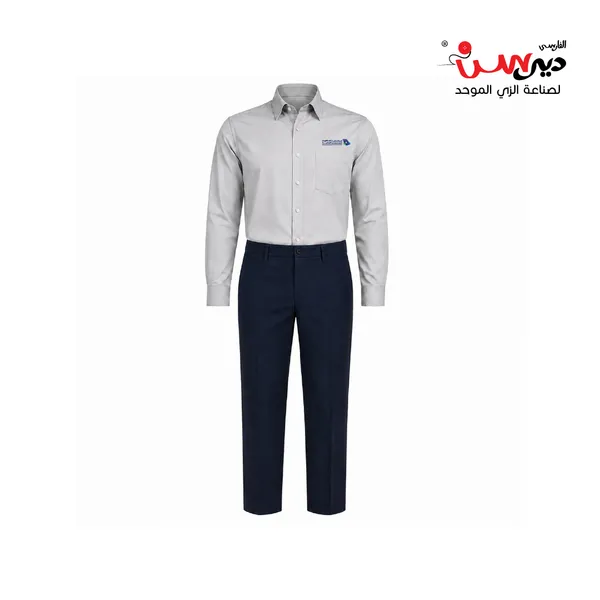
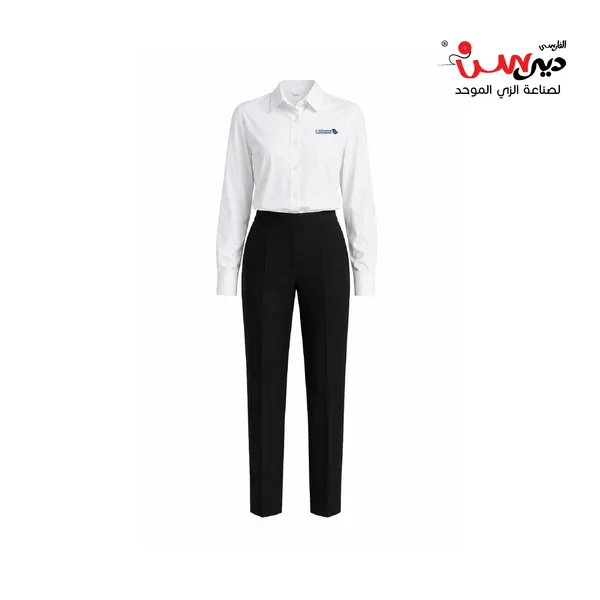
Administration and office staff | Formal shirts, blazers, trousers or coordinated office outfits | Comfort while sitting and moving, and suitability for meetings |
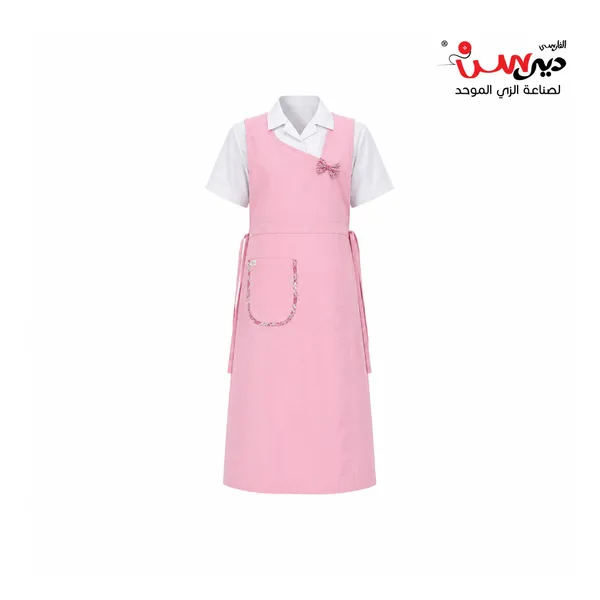
Reception and customer service | Shirts, waistcoats, blazers or formal outfits | How easily visitors can identify staff and how well the pieces work together |
Sales and showrooms | Polo shirts, formal shirts or lightweight jackets | The showroom setting, time spent standing and visibility of the company logo |
Operations and maintenance | Work shirts, practical trousers or coveralls | Freedom of movement, pocket placement and site-specific protective requirements |
For example, a company with a reception desk and a showroom could choose formal shirts and blazers for reception staff and polo shirts for showroom staff. Keeping the same base colour and logo placement makes both teams easy to identify while giving each team clothing suited to its duties.
Choose Fabric Based on Wear and Washing
Evaluate the fabric in conditions that reflect a typical workday. For staff who spend hours on the move or work outdoors, assess the garment’s weight and how comfortable it feels when worn. For office uniforms, check how the fabric feels and how the garment looks after sitting and moving around. If the uniform will be washed frequently, request a sample and wash it according to the care instructions. Check for changes in fit, colour or the appearance of the seams.
Ask several employees to try the sample before approving it. A shirt may fit well while standing but feel tight when sitting or raising your arms. Testing the garment during everyday tasks helps you spot these issues before placing a bulk order.
Keep Colours and Logo Placement Consistent Across Roles
Choose shared details that connect each department’s uniform to your company’s identity, such as a base colour or a consistent logo position. If you have approved brand colours, send the supplier a colour reference and review the sample under lighting similar to that in your workplace.
Test the logo on the actual fabric before approving embroidery or printing. Check that the text is legible and that the logo’s size and texture suit the garment. A small chest logo on a polo shirt has different requirements from a large design on the back of a jacket.
Approve the Size Chart and Sample Before Ordering in Bulk
Use the size chart for the specific garment you plan to order. Tell your team whether the chart shows body measurements or garment measurements. Try more than one size where possible, especially for garments worn over another layer, such as blazers and jackets.
Once you approve the sample, record each garment’s name, fabric, colour and logo placement, along with the sizes needed for each department. This record helps when preparing the first order, outfitting new employees or replacing garments later.
What Should You Include in a Uniform Quote Request?
Clear order details make it easier to compare quotes for the same garments, fabrics and services. Prepare the following information before contacting a supplier.
- Departments and headcount for each team.
- Garments and quantities for each team, including the number of sets per employee.
- Sizes and colours you’ve already identified, along with any sizes that need checking before approval.
- Logo file and proposed placement, plus a reference image if you have a specific design in mind.
- Delivery city and required date, including whether you need one delivery or several.
- Sample and reorder requirements, such as approving a garment before production and being able to order additional sizes later.
If you’re still deciding which garments to order, browse Dearson’s reception and customer service uniforms. Once you know what each team needs and how many pieces to order, select Request a Quote Now and send your project details through the Dearson online store.